Skip to content

Table of Contents
If your nights feel like you’re “asleep,” but not truly rested, you’re not imagining it. Many people are dealing with the same cycle: you fall asleep tired, wake up still exhausted, and spend the next day running on caffeine and momentum.
When sleep feels fragile, it’s easy to get overwhelmed by advice. Supplements, apps, strict routines, and conflicting tips can start to feel like another chore. That’s why calming, body-based wellness tools like the Infrared Sauna are gaining traction among people seeking to support sleep in a more straightforward, more realistic way. At Aramcare in Fairfax, VA, far-infrared sauna sessions are a gentle wellness option that may help the body relax, reduce stress, and support restorative sleep, with effects noticeable the next day.
Understanding How Infrared Sauna Sessions Support Better Sleep
Sleep is not just about being tired enough. It’s also about the nervous system’s ability to downshift. If your body stays in “alert mode” due to stress, late-night screen time, intense workouts too close to bedtime, or a busy mind, sleep may come lightly and break easily.
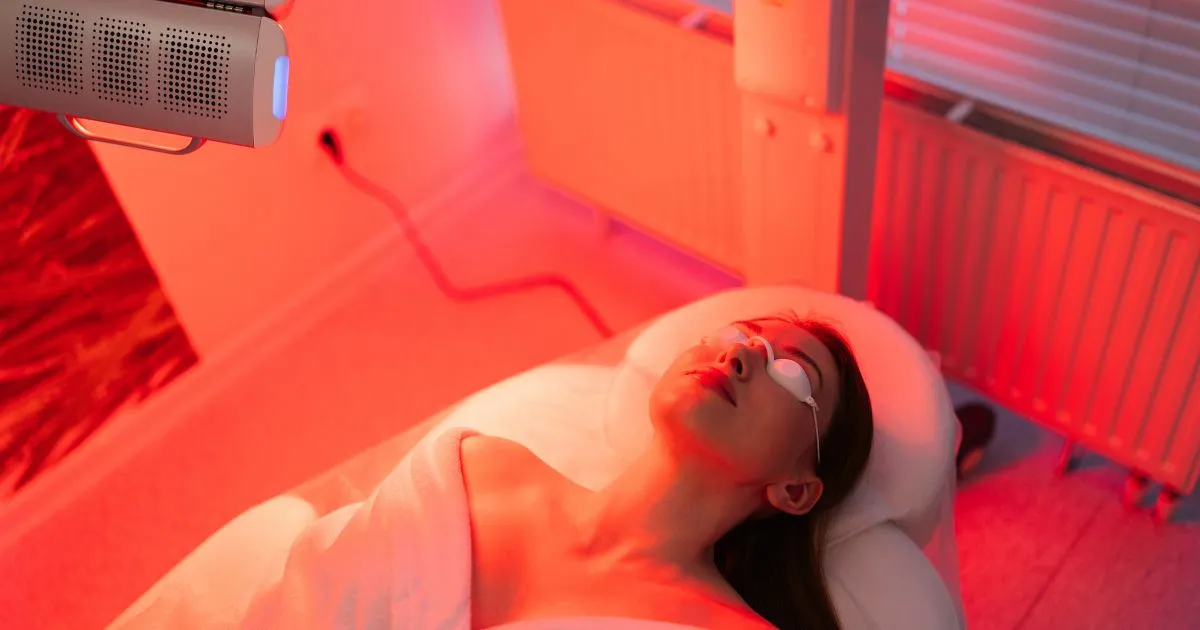
That’s where infrared heat for better sleep becomes relevant. Infrared saunas work differently from traditional saunas because they warm the body more directly, without needing extremely hot air. Many people find far infrared heat easier to tolerate, and the session tends to feel soothing rather than intense.
How Does This Relate to Sleep?
Infrared sauna sessions are often used to support sleep quality in three practical ways:
- Relaxation and stress relief: Heat paired with quiet time promotes a calmer state, which matters when your mind and body feel “on.”
- Body temperature rhythm: Your body naturally cools down at night as part of the sleep cycle. Warming up and then cooling down afterward may help some people feel sleepier because it supports a natural pattern. This is why people often research saunas and circadian rhythms.
- Muscle release and physical comfort: Tension and soreness can disrupt sleep. Heat can support relaxation, especially after long workdays or workouts.
To keep expectations realistic: an infrared sauna is not a cure for insomnia and won’t replace medical care for sleep apnea or chronic sleep disorders. But many people notice meaningful infrared sauna sleep benefits when sauna therapy becomes part of a consistent routine.
Why Far Infrared Heat Feels So Calming and Why That Matters at Night
If you’ve ever tried to force yourself to relax, you know it doesn’t work. Sleep is similar. The body has to feel safe enough to let go.
A far infrared sauna session can support that process because it gives the nervous system a clear signal that it’s time to slow down. For many people, the most significant benefit is not just sweating. It’s the mental quiet that comes from stepping away from noise, screens, and constant stimulation.
Heat also has a physical effect. As the body warms, blood vessels widen and circulation increases. That’s one reason people often feel looser, calmer, and less tense after a session.
This can matter for sleep in a few ways:
- When muscles relax, the body can settle more easily.
- When the stress response decreases, the mind feels less “busy.”
- When the body is calmer, sleep is often less fragile.
This is why people often search for infrared sauna stress relief and deep sleep relaxation therapy. They’re not necessarily looking for a dramatic fix. They’re looking for a routine that helps them feel more grounded before bed.
Infrared Sauna for Insomnia: What It Can and Can’t Do
The phrase infrared sauna for insomnia is common, but it’s essential to be careful with language.
Infrared sauna sessions are not a medical treatment for insomnia. However, they can support several issues that often contribute to insomnia, such as:
- High stress and nervous system tension
- Difficulty winding down at night
- Physical discomfort, stiffness, or soreness
- Poor relaxation habits
- Overstimulation from screens and busy schedules
For many people, insomnia is not just one issue. It’s a combination of mental and physical factors. Sauna therapy can be helpful because it supports both.
That said, if insomnia is severe, ongoing, or paired with symptoms like snoring, gasping, or extreme daytime fatigue, it’s worth talking to a medical provider as well. Sauna therapy can be supportive, but it shouldn’t be your only strategy if something deeper is going on.
Best Timing: Should You Do an Infrared Sauna Session Before Bed?
One of the most common questions people ask is whether an infrared sauna session before bed is advisable. The honest answer is: it depends on your body.
Some people feel deeply relaxed and sleepy afterward. Others feel refreshed and energized, especially if they haven’t used sauna therapy before. A good starting point is to schedule your first few sessions in the late afternoon or early evening. That gives you time to cool down, hydrate, and see how your body responds without disrupting bedtime.
If sauna therapy makes you feel calmer and sleepier, moving sessions closer to bedtime is a great option. Please make sure you build in time afterward for cooling. The cool-down period is often when sleepiness becomes noticeable.
Ready to Support Better Sleep Gently?
If you’re curious about how infrared sauna therapy may support your sleep routine, a significant first step is to try a session and observe how your body responds. Many people find that it becomes one of the easiest wellness habits to maintain because it feels calming from the start.
At Aramcare in Fairfax, VA, far-infrared sauna sessions are designed to support relaxation, recovery, and overall infrared wellness in a comfortable setting.
When you’re ready, you can start here: Book Your Infrared Sauna Sleep Session.